Buy widgets.eu ?
We are moving the project
widgets.eu .
Are you interested in purchasing the domain
widgets.eu ?
domain@kv-gmbh.de · 0541-91531010
Buy widgets.eu ?
How is avoir formed?
The verb "avoir" is formed in the present tense by conjugating the verb as follows: j'ai (I have), tu as (you have), il/elle/on a (he/she/it has), nous avons (we have), vous avez (you have), ils/elles ont (they have). In the past tense, "avoir" is formed by using the auxiliary verb "avoir" followed by the past participle of the main verb. For example, "j'ai eu" (I had), "tu as eu" (you had), "il/elle/on a eu" (he/she/it had), "nous avons eu" (we had), "vous avez eu" (you had), "ils/elles ont eu" (they had). **
When do you conjugate "avoir"?
The verb "avoir" is conjugated when talking about possession or to form compound tenses such as the passé composé. In these cases, "avoir" is conjugated according to the subject of the sentence. For example, "J'ai un chat" (I have a cat) or "Nous avons mangé" (We have eaten). **


Similar search terms for Avoir
Top-Angebote
Products related to Avoir:
-
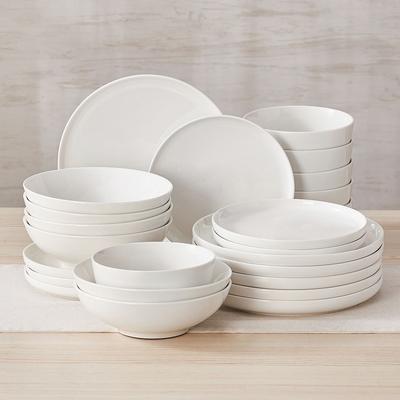
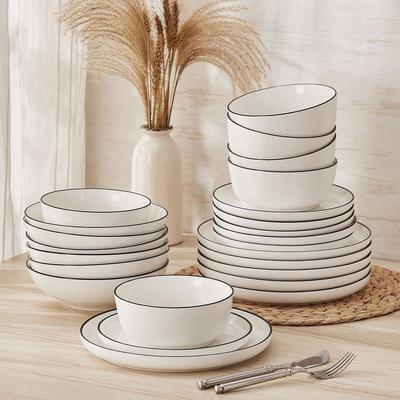
MALACASA MINA Versatility Porcelain Dinnerware Set Service for 6Elevate your dining experience with the MALACASA MINA Porcelain Dinnerware Set. Available in classic all-white or sophisticated white with black rim designs, this collection offers versatility and elegance for everyday meals and special occasions.147,99 $*Shipping: 0,00 $Secure redirect to the provider
-
DEVERA Hanger and Full-length Mirror IntegrationSpecification Main Material: Rubber Wood,Solid Wood,Wood+Glass Product Style: American Design,Art Deco,Artsy,Contemporary,European Product Features Product Information: Full-length mirror, solid wood + rubber wood + glass, 65.7*17.7in (mirror width:…302,39 $*Shipping: 0,00 $Secure redirect to the provider
-
MALACASA MINA Versatility Porcelain Dinnerware Set Service for 6Elevate your dining experience with the MALACASA MINA Porcelain Dinnerware Set. Available in classic all-white or sophisticated white with black rim designs, this collection offers versatility and elegance for everyday meals and special occasions.161,99 $*Shipping: 0,00 $Secure redirect to the provider
-
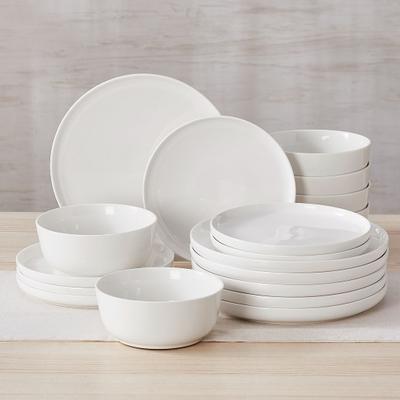
MALACASA MINA Versatility Porcelain Dinnerware Set Service for 4Elevate your dining experience with the MALACASA MINA Porcelain Dinnerware Set. Available in classic all-white or sophisticated white with black rim designs, this collection offers versatility and elegance for everyday meals and special occasions.93,49 $*Shipping: 0,00 $Secure redirect to the provider


-
What are the forms of avoir?
The forms of the verb "avoir" in French are: j'ai (I have), tu as (you have), il/elle/on a (he/she/it has), nous avons (we have), vous avez (you have), ils/elles ont (they have). These forms are used to express possession or to form compound tenses such as the passé composé. "Avoir" is an irregular verb in French and is one of the most commonly used verbs in the language. **
-
Does "Passer" use "avoir" or "être"?
"Passer" uses the auxiliary verb "avoir" in compound tenses. For example, in the passé composé, you would say "j'ai passé" (I have passed) using the verb "avoir" as the auxiliary. **
-
Can you help me conjugate avoir?
Sure! The verb "avoir" is conjugated as follows: - J'ai (I have) - Tu as (You have) - Il/Elle/On a (He/She/One has) - Nous avons (We have) - Vous avez (You have) - Ils/Elles ont (They have) **
-
When do you equate the PC with avoir?
I equate the PC with avoir when the verb in the passé composé is formed using the auxiliary verb "avoir" and the past participle of the main verb. This occurs when the action expressed by the main verb is performed by the subject of the sentence and does not involve a state of being or motion. For example, "J'ai mangé" (I ate) or "Elle a parlé" (She spoke) both use the auxiliary verb "avoir" to form the passé composé. **

When are the following verbs used with "avoir"?
The following verbs are used with "avoir" when they are in the past tense. This includes actions that have been completed in the past, such as "j'ai mangé" (I ate), "tu as parlé" (you spoke), and "il a joué" (he played). These verbs indicate actions that have already happened and are no longer ongoing. **
When is the subjunctive used after avoir besoin de?
The subjunctive is used after "avoir besoin de" when the subject of the main clause is different from the subject of the dependent clause. This is because "avoir besoin de" expresses a need or desire, which can create a sense of doubt or uncertainty. For example, "J'ai besoin que tu viennes" (I need you to come) uses the subjunctive because the subject of the main clause (je) is different from the subject of the dependent clause (tu). **
Top-Angebote
Products related to Avoir:
-
Multisell Products Hub DIY Voice Control Light Switch Module For Smart Home Automation With Tuya, Alexa & Google Home Integration DIY Voice Control Light Switch Module For Smart Home Automation With Tuya, Alexa & Google Home IntegrationUpgrade your home with the DIY Light Switch Module, bringing cuttingedge smart home automation to your fingertips. Perfect for those who want seamless control over their lighting and appliances, this module easily integrates with Alexa and Google...34,97 $*Shipping: 0,00 $Secure redirect to the provider
-
Sesderma Reti Age 5 Liposomal Serum Anti-Aging Innovation 30mLA facial serum for wrinkles and signs of ageing. Reduces wrinkles and fine lines. Hydrates and strengthens barrier. Restores youthful radiance. 5-Retinoid System: smooths wrinkles, accelerates renewal, and boosts collagen. Biomimetic Peptides: fill expression lines by stimulating collagen synthesis.53,26 £*Shipping: 5,22 £Secure redirect to the provider
-
MALACASA MINA Versatility Porcelain Dinnerware Set Service for 6Elevate your dining experience with the MALACASA MINA Porcelain Dinnerware Set. Available in classic all-white or sophisticated white with black rim designs, this collection offers versatility and elegance for everyday meals and special occasions.147,99 $*Shipping: 0,00 $Secure redirect to the provider
-
DEVERA Hanger and Full-length Mirror IntegrationSpecification Main Material: Rubber Wood,Solid Wood,Wood+Glass Product Style: American Design,Art Deco,Artsy,Contemporary,European Product Features Product Information: Full-length mirror, solid wood + rubber wood + glass, 65.7*17.7in (mirror width:…302,39 $*Shipping: 0,00 $Secure redirect to the provider
-
How is avoir formed?
The verb "avoir" is formed in the present tense by conjugating the verb as follows: j'ai (I have), tu as (you have), il/elle/on a (he/she/it has), nous avons (we have), vous avez (you have), ils/elles ont (they have). In the past tense, "avoir" is formed by using the auxiliary verb "avoir" followed by the past participle of the main verb. For example, "j'ai eu" (I had), "tu as eu" (you had), "il/elle/on a eu" (he/she/it had), "nous avons eu" (we had), "vous avez eu" (you had), "ils/elles ont eu" (they had). **
-
When do you conjugate "avoir"?
The verb "avoir" is conjugated when talking about possession or to form compound tenses such as the passé composé. In these cases, "avoir" is conjugated according to the subject of the sentence. For example, "J'ai un chat" (I have a cat) or "Nous avons mangé" (We have eaten). **
-
What are the forms of avoir?
The forms of the verb "avoir" in French are: j'ai (I have), tu as (you have), il/elle/on a (he/she/it has), nous avons (we have), vous avez (you have), ils/elles ont (they have). These forms are used to express possession or to form compound tenses such as the passé composé. "Avoir" is an irregular verb in French and is one of the most commonly used verbs in the language. **
-
Does "Passer" use "avoir" or "être"?
"Passer" uses the auxiliary verb "avoir" in compound tenses. For example, in the passé composé, you would say "j'ai passé" (I have passed) using the verb "avoir" as the auxiliary. **
Similar search terms for Avoir
-
MALACASA MINA Versatility Porcelain Dinnerware Set Service for 6Elevate your dining experience with the MALACASA MINA Porcelain Dinnerware Set. Available in classic all-white or sophisticated white with black rim designs, this collection offers versatility and elegance for everyday meals and special occasions.161,99 $*Shipping: 0,00 $Secure redirect to the provider
-
MALACASA MINA Versatility Porcelain Dinnerware Set Service for 4Elevate your dining experience with the MALACASA MINA Porcelain Dinnerware Set. Available in classic all-white or sophisticated white with black rim designs, this collection offers versatility and elegance for everyday meals and special occasions.93,49 $*Shipping: 0,00 $Secure redirect to the provider
-
MALACASA MINA Versatility Porcelain Dinnerware Set Service for 4Elevate your dining experience with the MALACASA MINA Porcelain Dinnerware Set. Available in classic all-white or sophisticated white with black rim designs, this collection offers versatility and elegance for everyday meals and special occasions.109,99 $*Shipping: 0,00 $Secure redirect to the provider
-
MALACASA MINA Versatility Porcelain Dinnerware Set Service for 6Elevate your dining experience with the MALACASA MINA Porcelain Dinnerware Set. Available in classic all-white or sophisticated white with black rim designs, this collection offers versatility and elegance for everyday meals and special occasions.94,39 $*Shipping: 0,00 $Secure redirect to the provider
-
Can you help me conjugate avoir?
Sure! The verb "avoir" is conjugated as follows: - J'ai (I have) - Tu as (You have) - Il/Elle/On a (He/She/One has) - Nous avons (We have) - Vous avez (You have) - Ils/Elles ont (They have) **
-
When do you equate the PC with avoir?
I equate the PC with avoir when the verb in the passé composé is formed using the auxiliary verb "avoir" and the past participle of the main verb. This occurs when the action expressed by the main verb is performed by the subject of the sentence and does not involve a state of being or motion. For example, "J'ai mangé" (I ate) or "Elle a parlé" (She spoke) both use the auxiliary verb "avoir" to form the passé composé. **
-
When are the following verbs used with "avoir"?
The following verbs are used with "avoir" when they are in the past tense. This includes actions that have been completed in the past, such as "j'ai mangé" (I ate), "tu as parlé" (you spoke), and "il a joué" (he played). These verbs indicate actions that have already happened and are no longer ongoing. **
-
When is the subjunctive used after avoir besoin de?
The subjunctive is used after "avoir besoin de" when the subject of the main clause is different from the subject of the dependent clause. This is because "avoir besoin de" expresses a need or desire, which can create a sense of doubt or uncertainty. For example, "J'ai besoin que tu viennes" (I need you to come) uses the subjunctive because the subject of the main clause (je) is different from the subject of the dependent clause (tu). **
* All prices are inclusive of VAT and, if applicable, plus shipping costs. The offer information is based on the details provided by the respective shop and is updated through automated processes. Real-time updates do not occur, so deviations can occur in individual cases. ** Note: Parts of this content were created by AI.